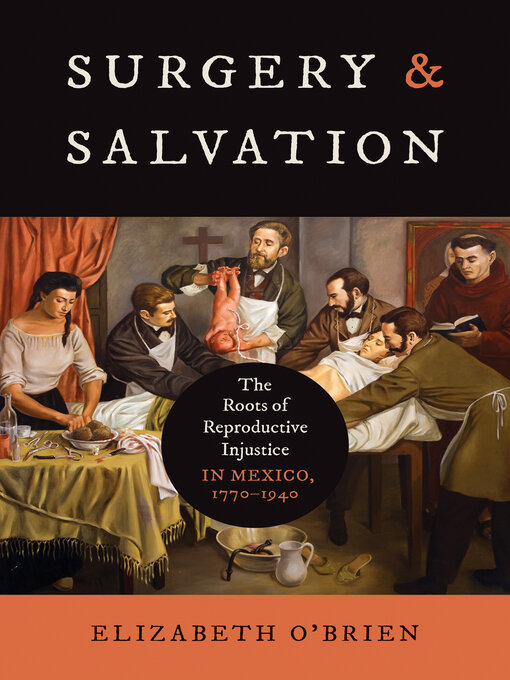
In this sweeping history of reproductive surgery in Mexico, Elizabeth O'Brien traces the interstices of religion, reproduction, and obstetric racism from the end of the Spanish empire through the post-revolutionary 1930s. Examining medical ideas about operations (including cesarean section, abortion, hysterectomy, and eugenic sterilization), Catholic theology, and notions of modernity and identity, O'Brien argues that present-day claims about fetal personhood are rooted in the use of surgical force against marginalized and racialized women. This history illuminates the theological, patriarchal, and epistemological roots of obstetric violence and racism today.
O'Brien illustrates how ideas about maternal worth and unborn life developed in tandem. Eighteenth-century priests sought to save unborn souls through cesarean section, while nineteenth-century doctors aimed to salvage some unmarried women’s social reputations via therapeutic abortion. By the twentieth century, eugenicists wished to regenerate the nation’s racial profile, in part by sterilizing women in public clinics. The belief that medical interventions could redeem women, children, and the nation is what O’Brien refers to as “salvation though surgery.” As operations acquired racial and religious significances, Indigenous, Afro-Mexican, and mixed-race people’s bodies became sites for surgical experimentation. Even during periods of Church-state conflict, O'Brien argues, the religious valences of experimental surgery manifested in embodied expressions of racialized, and often-coercive, medical science.
- Most popular
- Project Gutenberg eBooks
- Page to Screen
- Check it out--great reads without the wait!
- See all ebooks collections
- Most popular
- Audiobooks for the Whole Family
- Noteworthy Narrators
- Full Cast Audiobooks
- See all audiobooks collections
- Let's Get Cooking!
- News and Politics
- Celebrity Magazines
- Magazines are Here...Check 'em out!
- Kids & Teens Magazines
- See all magazines collections